Thinking about flipping your own home before you sell in Walnut Creek? It can be a smart move, but only if you focus on the updates that buyers notice, avoid expensive detours, and keep your timeline under control. If you want to boost appeal without pouring money into the wrong projects, this guide will help you prioritize what matters most in today’s market. Let’s dive in.
Why strategy matters in Walnut Creek
Walnut Creek is a market where presentation and pricing work together. Realtor.com’s Walnut Creek market snapshot shows a seller-favored market, with a median listing price of $782,500 and a median of 27 days on market.
At the same time, Zillow’s Walnut Creek data shows a typical home value above $1 million, 27 days to pending, a median sale-to-list ratio of 0.988, and 28.4% of sales closing above list price. That tells you buyers are active, but still selective. A home that looks clean, current, and move-in ready can stand out.
For many sellers, that does not mean a full remodel. In Walnut Creek, a smart flip is usually about making your home feel well cared for, easy to live in, and ready to photograph beautifully online.
Start with the highest-return updates
If your goal is to improve your sale outcome, targeted upgrades usually beat large-scale renovations. According to NAR’s resale upgrade guidance, some of the strongest estimated resale recovery comes from focused projects like a new steel front door, closet renovation, new fiberglass front door, and window replacement.
The broader lesson is simple: small, visible improvements often pay off better than open-ended construction. NAR also notes that buyers are less willing to compromise on home condition, which makes cosmetic readiness especially important before listing.
Best presale projects to consider
In Walnut Creek, the most practical presale improvements often include:
- Interior paint
- Trim touch-ups
- Front entry refresh
- Closet organization
- Deep cleaning
- Decluttering
- Minor kitchen updates
- Minor bath updates
- Landscaping cleanup
- Patio or yard staging
These projects align well with what national data says tends to recover value, and they fit the needs of a market where online presentation matters.
Focus on curb appeal first
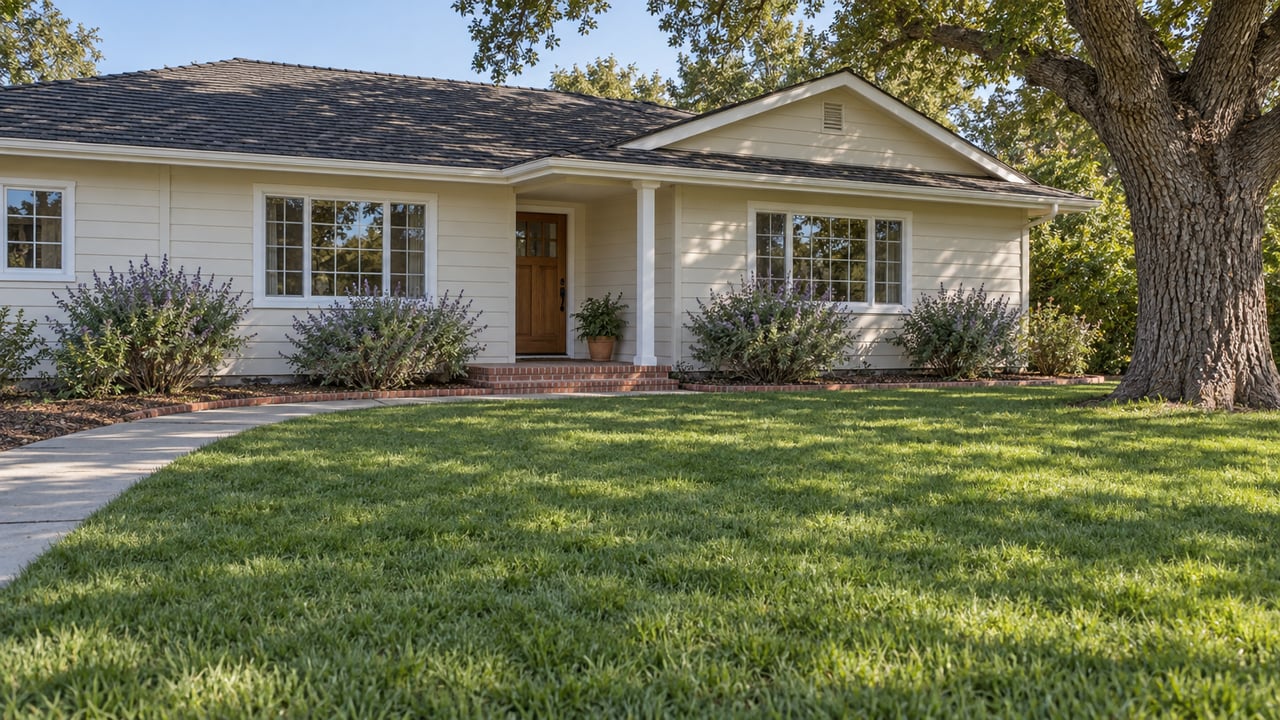
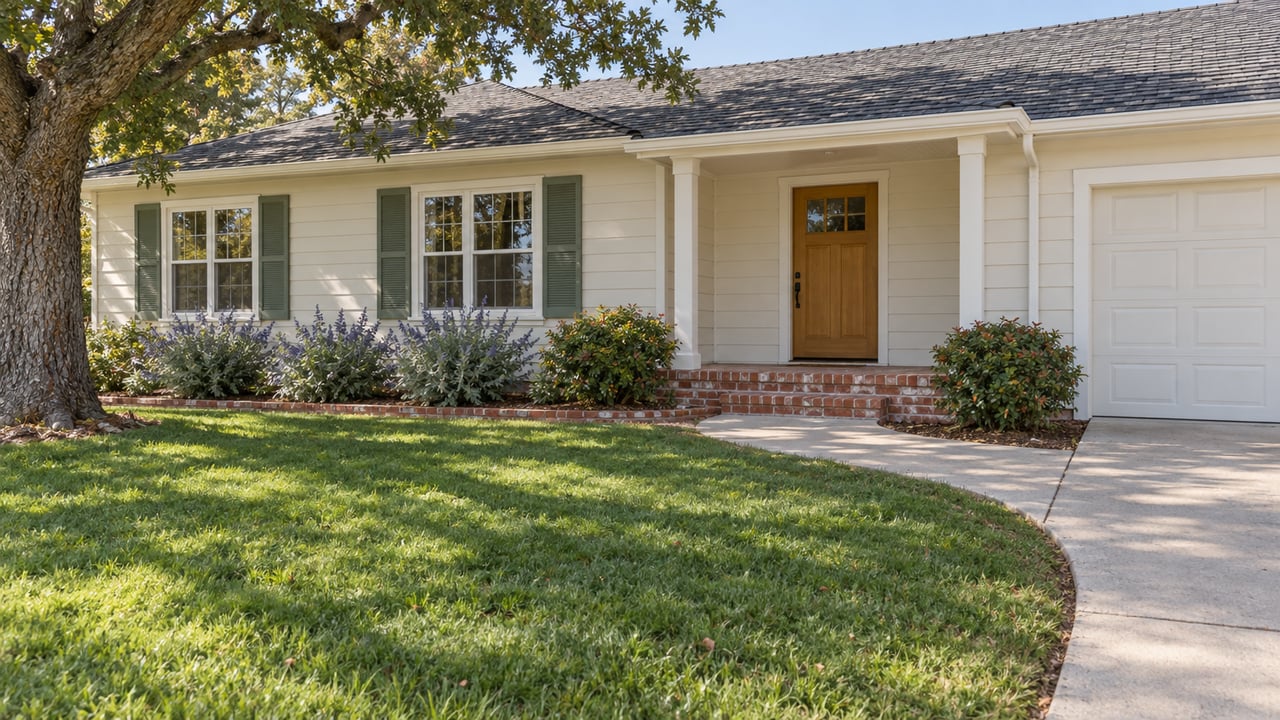
Before buyers step inside, they start judging the home from the street and from the first listing photo. That is why curb appeal can be one of the smartest places to spend.
NAR’s outdoor project report found that 92% of REALTORS recommend improving curb appeal before listing. It also reported strong estimated cost recovery for standard lawn care, landscape maintenance, and overall landscape upgrades.
Simple curb appeal wins
You do not need a major landscape redesign to make a strong first impression. Often, the best return comes from basic maintenance and visual polish.
Try focusing on:
- Pruned shrubs and trees
- Fresh mulch
- Clean walkways and entry areas
- A tidy front porch
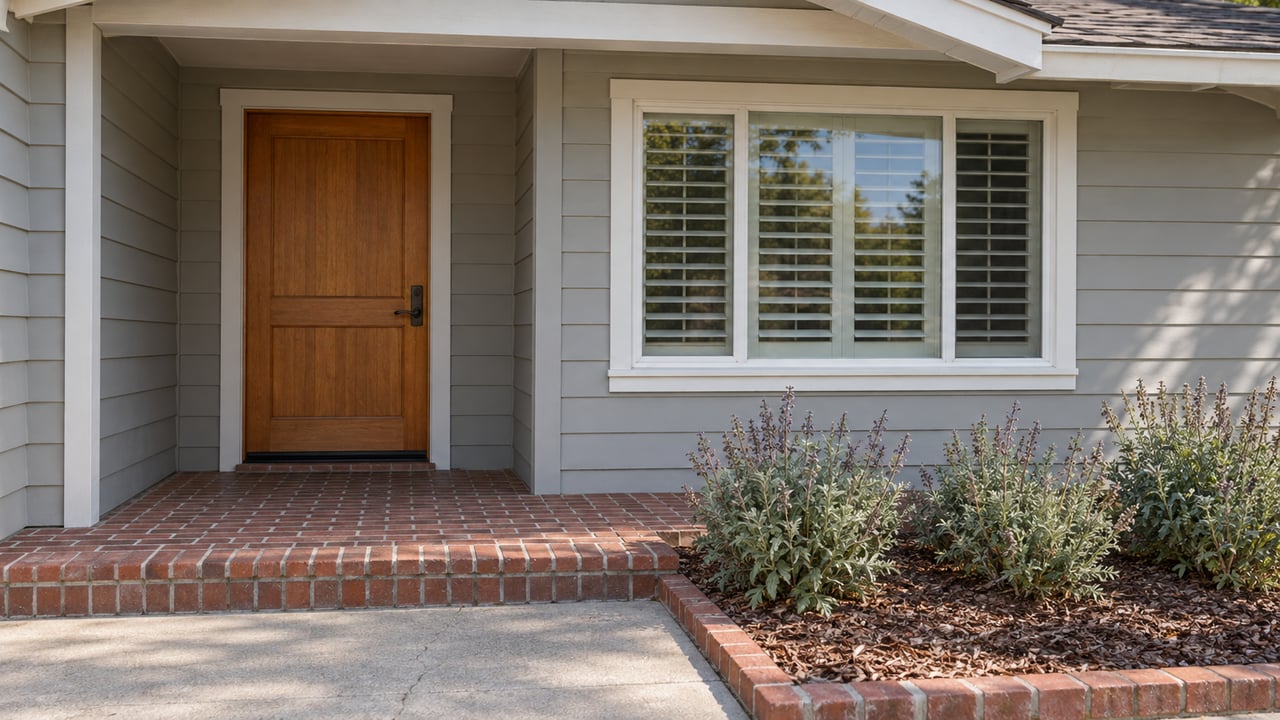
- A freshly painted or refreshed front door
- Neat outdoor seating if space allows
These changes can help your home look cared for in photos and in person.
Keep your remodel cosmetic-first
A lot of sellers lose money by doing too much. If you are flipping your own home to sell, your goal is not to build your dream house. Your goal is to make choices that appeal to buyers without overspending.
NAR’s 2025 Remodeling Impact Report supports a cosmetic-first approach. The report highlights stronger returns from projects like painting, front doors, closet improvements, and modest kitchen work than from many larger renovations.
Projects that often make sense
A low-friction presale plan may include:
- Painting interior walls in a clean, consistent palette
- Replacing worn hardware or fixtures
- Updating a dated vanity mirror or light fixture
- Refreshing cabinet hardware
- Organizing storage spaces
- Cleaning grout, caulking, and other visible wear points
Projects to approach carefully
Some upgrades may add cost, time, and permit complexity without a clear payoff. That can include:
- Full gut kitchen remodels
- Layout changes
- Moving walls
- High-end custom finishes
- Large additions before resale
In a market that already moves relatively quickly, overbuilding can become the bigger risk.
Understand Walnut Creek permit rules
If you want your project to stay efficient, you need to know where the permit line is. The City of Walnut Creek building permit page says permits are required when you add structures or physically change property.
Examples listed by the city include kitchen or bathroom remodels, new or relocated lighting, water heaters, ceiling fans, replacing windows, new or replaced HVAC systems, and re-roofing. The city also notes that applications made on or after January 1, 2026 must comply with the 2025 Building Code.
By contrast, the city’s residential remodel guidance explains that some minor work, such as painting, certain fences, and small sheds, may not require permits. That is one reason paint and cosmetic prep are often the easiest first steps.
Window and door work needs extra care
Do not assume replacement windows or doors are simple swap-outs. Walnut Creek’s window and door bulletin states that new, relocated, or replacement windows or doors in residential properties require a building permit and energy-code review.
If work affects the public right of way, like sidewalks, curbs, driveway approaches, or contractor staging that needs pedestrian or traffic control, you may also need an encroachment permit. That can affect your schedule, so it is worth checking early.
Stage for the online first showing
In Walnut Creek, your first showing usually happens online. That makes staging and listing presentation part of your flip strategy, not an optional extra.
According to NAR’s 2025 home staging report, 83% of buyers’ agents said staging made it easier for buyers to visualize the property as their future home. The same report found that 49% of sellers’ agents said staging reduced time on market, and 29% said it increased the dollar value offered by 1% to 10%.
NAR also found that listing photos were rated as highly important by 73% of buyers’ agents, followed by physical staging, video, and virtual tours. For you, that means the work is not done when the repairs are finished. The home has to look right on screen.
What to stage first
If your budget is limited, start with the rooms that tend to matter most:
- Living room
- Primary bedroom
- Kitchen
- Dining area
- Patio or yard space that appears in photos
A clean, edited look helps buyers focus on the space itself rather than your belongings or unfinished details.
Build a realistic flip plan
The smartest DIY flip is usually the one with the fewest surprises. Before you start, define your budget, timeline, and stop points.
A practical Walnut Creek presale plan often looks like this:
Low-cost path
This is often the best fit if your home is structurally sound and mainly needs polish.
- Repaint interior surfaces
- Touch up trim
- Improve curb appeal
- Declutter and organize
- Deep clean
- Stage the key rooms
Mid-range path
This can make sense if a few dated features are hurting your marketability.
- Refresh the front door
- Improve closet storage
- Make minor kitchen updates
- Make minor bath updates
- Add stronger staging and media prep
Higher-risk path
This is the one to question carefully before you commit.
- Full remodels
- Major layout changes
- Expensive custom finishes
- Projects that trigger multiple permits and longer timelines
If the surrounding homes do not support that level of spending, your return may not justify the risk.
Hire help carefully when needed
Even if you plan to do some work yourself, many sellers bring in pros for parts of the project. If you go beyond simple cosmetic updates, NAR’s consumer guide to hiring a remodeling contractor recommends using a licensed and insured contractor, getting at least three bids, and making sure the contract clearly covers scope, timeline, total cost, allowances, and permit responsibility.
That level of clarity matters because scope creep can quietly eat into your net proceeds. A smart flip is not just about what you improve. It is also about what you avoid.
The smart way to flip before you sell
If you are flipping your own home in Walnut Creek, the winning formula is usually simple: improve what buyers see first, stay in the cosmetic lane when possible, and make sure the home shows well online and in person. In a market where buyers care about condition and homes can move quickly, strategic prep often beats expensive reinvention.
That is where local guidance can make a real difference. Amanda Lesser can help you build a practical market-prep plan, avoid over-improving, and position your home for a polished launch. If you want to learn the secrets of flipping your own home, get a free home valuation and market-prep plan.
FAQs
What does flipping your own home in Walnut Creek usually mean?
- It usually means making targeted presale improvements like paint, curb appeal updates, cleaning, decluttering, staging, and small kitchen or bath refreshes before you list your home for sale.
Which home improvements tend to pay off most before listing in Walnut Creek?
- Based on the research, focused updates like front door improvements, closet organization, paint, landscaping maintenance, and minor kitchen upgrades often make more sense than large remodels.
Do you need permits for presale updates in Walnut Creek?
- Some projects do require permits, including kitchen or bathroom remodels, replacement windows, certain lighting changes, HVAC work, and re-roofing, while some cosmetic work like painting may not.
Why is staging important when selling a home in Walnut Creek?
- Staging matters because many buyers first see your home online, and NAR found that staging can help buyers visualize the space, reduce time on market, and sometimes improve the offer amount.
Should you fully remodel before selling a Walnut Creek home?
- Not always. In many cases, a cosmetic-first plan is the smarter route because full remodels can add cost, time, and permit complexity without guaranteeing a better return.