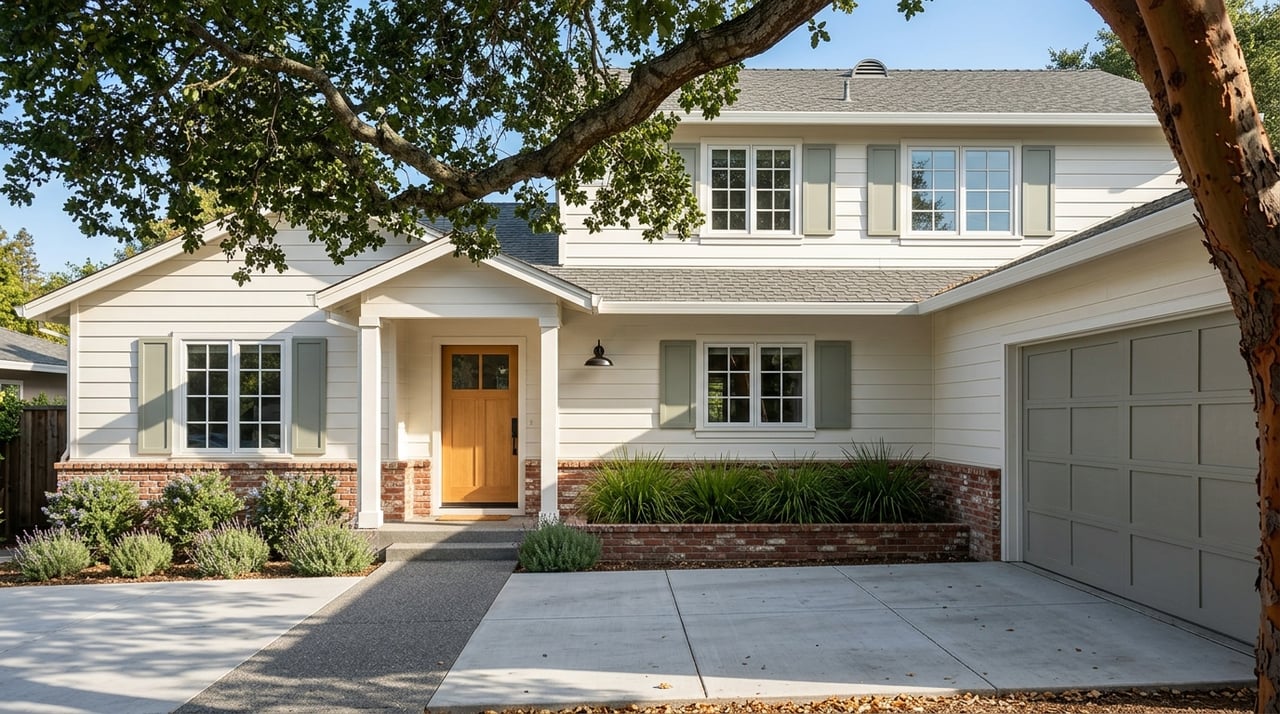
If you own a home in Danville and feel ready for more space, a different layout, or your next chapter, you are not alone. The challenge is that a strong sale does not automatically make the next purchase easy, especially when nearby markets are also competitive. The good news is that with the right pricing, prep, and timing plan, you can turn today’s Danville market into an advantage. Let’s dive in.
Danville Still Favors Sellers
Danville remains a seller-leaning market in spring 2026. Recent local data shows roughly 140 to 170 homes for sale, a median listing price near $2 million, and homes moving in about 27 days on market, with a 100% sale-to-list ratio in March and April 2026.
Other recent reporting points to an even faster pace for many homes. Redfin’s March 2026 data says Danville was the most competitive market in its local set, with homes selling in around 14 days on average and receiving about two offers. That matters if you are thinking about selling and buying at the same time.
For move-up sellers, this creates a mixed picture. Your current home may have strong demand if it is priced and presented well, but your next home may also come with competition. In other words, the market can help you on the sale side and pressure you on the purchase side.
Move-Up Sellers Need a Two-Sided Plan
A move-up sale is different from a standard sale because you are making two major decisions at once. You are trying to maximize the value of your current home while also protecting your timing, budget, and negotiating power on the next one.
That is why the right strategy is not just about getting the highest possible offer. It is also about building a plan that helps you move forward without unnecessary stress. In a market like Danville, clean timing and realistic budgeting can matter just as much as price.
Danville Is Not One Market
One of the biggest mistakes move-up sellers can make is treating Danville like a single pricing bucket. It is not. The town includes very different micro-markets, and those differences can meaningfully affect what buyers will pay and how quickly a home may sell.
Recent neighborhood-level figures show just how wide the spread can be. West Side Danville had a median listing price of about $2.705 million, while Sycamore Valley was around $2.213 million. Greenbrook-Danville South was closer to $1.6185 million, and La Gonda Way-West El Pintado was about $978,000.
Days on market vary too. Some areas were around the mid-20s, while others sat longer. For you, that means a townwide median is only a starting point. The more important question is how homes like yours are performing in your part of Danville right now.
Why Accurate Pricing Matters
Danville homes are still selling close to list price when they hit the market well prepared. Redfin reports that the average Danville home sells about 1% above list, and 60% of homes sold above list in March 2026. Realtor.com also shows homes selling for about asking on average.
That does not mean every home should be priced aggressively. It means buyers are responding to homes that match the market. If you overshoot, you risk losing momentum. If you price with neighborhood-specific comparables and current demand in mind, you give yourself the best chance to attract serious buyers quickly.
Your Next Home May Still Be Competitive
Many move-up sellers assume that if they sell well in Danville, buying nearby should feel easier. But surrounding markets are still competitive too. Walnut Creek, San Ramon, Pleasanton, and Alamo were all described as seller’s markets in spring 2026.
Median listing prices also show how different your next step could look depending on where you want to land. Walnut Creek was at $749,000, San Ramon at $1.4 million, Pleasanton at $1.4675 million, and Alamo at $2.8725 million. So while your Danville sale may create meaningful equity, the replacement-home math still needs careful review.
Payment Math Still Matters
Interest rates remain an important part of the move-up decision. Freddie Mac reported a 30-year fixed average of 6.30% on April 30, 2026. Even if you have strong equity, the monthly payment on your next home may feel very different than your current one.
That is why move-up planning should start before your home goes live. You want a clear idea of your likely net proceeds, your target purchase range, and what monthly payment feels comfortable. A strong sale is helpful, but it works best when paired with a realistic buying plan.
What a Smart Move-Up Strategy Looks Like
In this market, the strongest move-up sellers usually prepare for both sides of the transaction early. That means building a sale plan, a purchase plan, and a backup plan before the first showing starts.
A practical strategy often includes:
- Reviewing neighborhood-specific comparable sales in your part of Danville
- Identifying light improvements that can improve presentation
- Getting clear on likely net proceeds from your sale
- Tightening your purchase budget before you shop
- Strengthening your financing and pre-approval early
- Considering how much timing flexibility you may need after closing
This kind of planning can reduce rushed decisions later. It can also help you compete more effectively when the right replacement home appears.
Focus on Light Prep, Not Over-Improving
If you are getting your current home ready, a full renovation is usually not the first move. Local guidance for Contra Costa County suggests that cosmetic updates like paint, fixtures, and landscaping often pay off, while major renovations do not always return their full cost.
That lines up well with what many move-up sellers actually need. The goal is not to rebuild the house. The goal is to present it in a way that broadens buyer appeal, supports stronger offers, and may reduce time on market.
Prep Priorities to Consider
A focused prep plan may include:
- Fresh interior paint in neutral tones
- Updated light fixtures or hardware where needed
- Landscape cleanup and curb appeal touch-ups
- Minor repairs that buyers are likely to notice
- Professional staging or strategic furniture editing
- Strong photography and video presentation
This is where hands-on coaching can make a real difference. Thoughtful prep can improve first impressions without pushing you into expensive projects that may not meaningfully change your outcome.
Timing Matters More Than Many Sellers Expect
Because Danville homes are still drawing multiple offers and nearby markets remain active, timing is critical for move-up sellers. It is risky to assume your sale and purchase will line up perfectly on their own.
A smoother transition often comes from planning your sequence in advance. You may need a stronger pre-approval, a contingency strategy, or extra flexibility in your move timeline. The right approach depends on your goals, your risk tolerance, and the kind of home you hope to buy next.
Understanding Contingency Options
A contingency is a condition that must be met before a purchase is completed. Common examples include a home sale contingency, a home close contingency, a kick-out clause, or a rent-back arrangement.
These terms can affect your leverage and your flexibility. In some cases, sellers can continue showing a property after accepting a contingent offer, and a buyer with a contingency may be asked to act quickly if a cleaner offer appears. For move-up sellers, that is one more reason to prepare financing and timing options early.
Do Not Overlook California Disclosure Requirements
If you plan to sell in California, disclosures are a key part of the process. The Real Estate Transfer Disclosure Statement is required under California Civil Code 1102.6. The California Department of Real Estate also explains that this disclosure is not a warranty and does not replace inspections.
Depending on the property, additional disclosures may apply. The California Geological Survey notes that sellers must disclose if a property is in mapped seismic hazard zones and other mapped natural hazard areas. For most homes built before 1978, federal lead-based paint disclosure rules also apply, including a 10-day lead inspection period.
This is another reason early preparation matters. When disclosures, property details, and sale strategy are organized up front, you are in a better position to move efficiently once your home is on the market.
What This Market Means for You
If you are a Danville move-up seller, the current market offers real opportunity, but it rewards preparation. Demand is still there, and well-positioned homes are often selling close to list or above. At the same time, your next purchase may require just as much strategy as your sale.
The sellers who tend to do best are the ones who think beyond the list price. They look at micro-market pricing, focus on smart prep, run the numbers carefully, and build a transition plan that protects their options. That kind of approach can help you move with more confidence and fewer surprises.
If you are weighing your next move in Danville or the wider I-680 corridor, Amanda Lesser can help you build a practical sale-and-purchase plan, identify high-impact market prep, and position your home for a strong launch.
FAQs
What does the Danville housing market mean for move-up sellers in 2026?
- It means you may benefit from strong buyer demand when selling, but you should also expect competition when buying your next home nearby.
How competitive is the Danville real estate market right now?
- Recent spring 2026 data shows Danville is still seller-leaning, with homes selling quickly, often near asking price, and sometimes with multiple offers.
Why do Danville micro-markets matter when pricing a home?
- Different Danville areas have very different median prices and market pace, so pricing should be based on recent comparable sales in your specific neighborhood rather than a townwide average.
Should a Danville move-up seller renovate before listing?
- In many cases, light cosmetic improvements like paint, fixtures, and landscaping make more sense than major renovations, which may not return their full cost.
What should a Danville seller know about buying another home nearby?
- Nearby markets such as Walnut Creek, San Ramon, Pleasanton, and Alamo were also seller’s markets in spring 2026, so you should plan for competition and review your budget carefully.
What disclosures are required when selling a home in California?
- California sellers generally need to complete a Real Estate Transfer Disclosure Statement, and some homes may also require natural hazard and lead-based paint disclosures depending on the property.