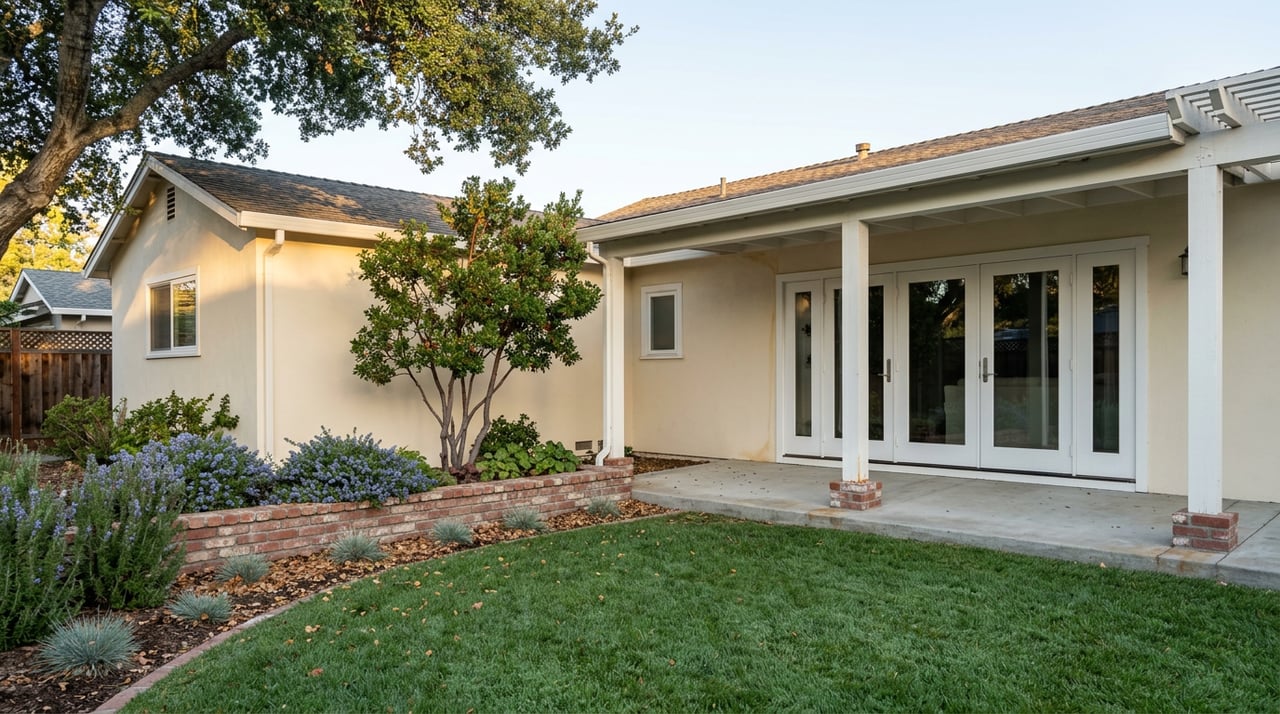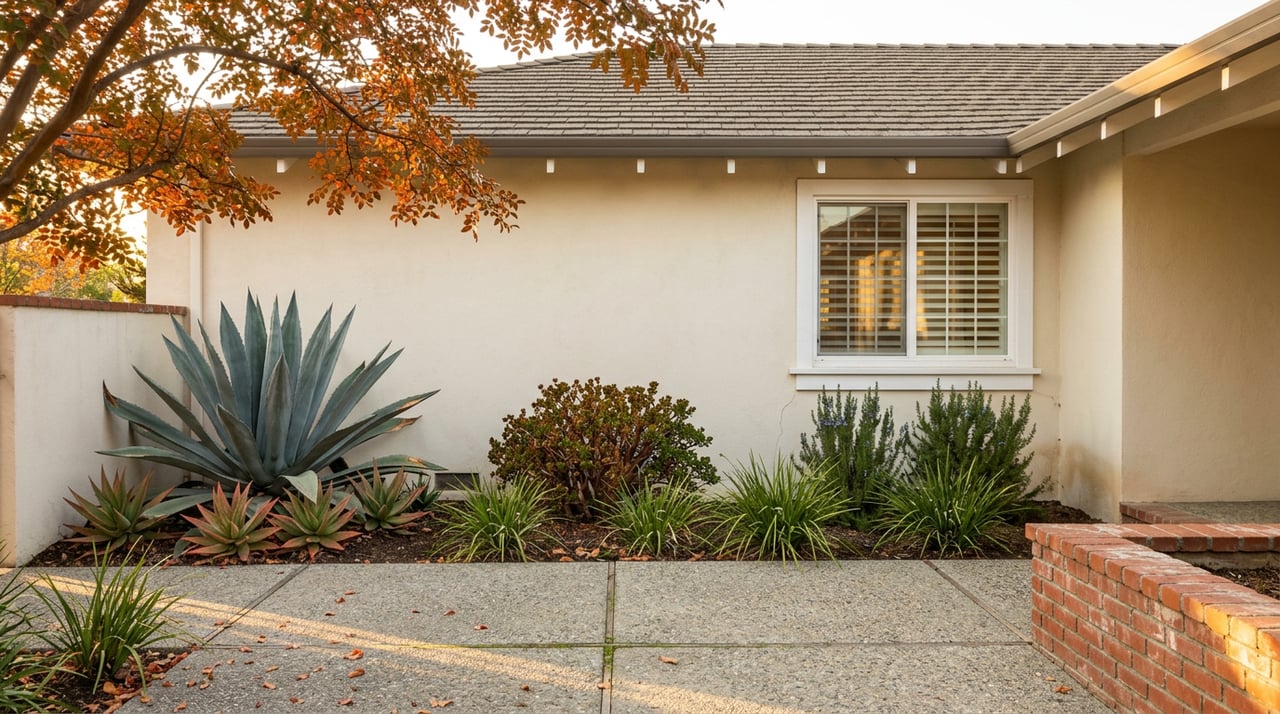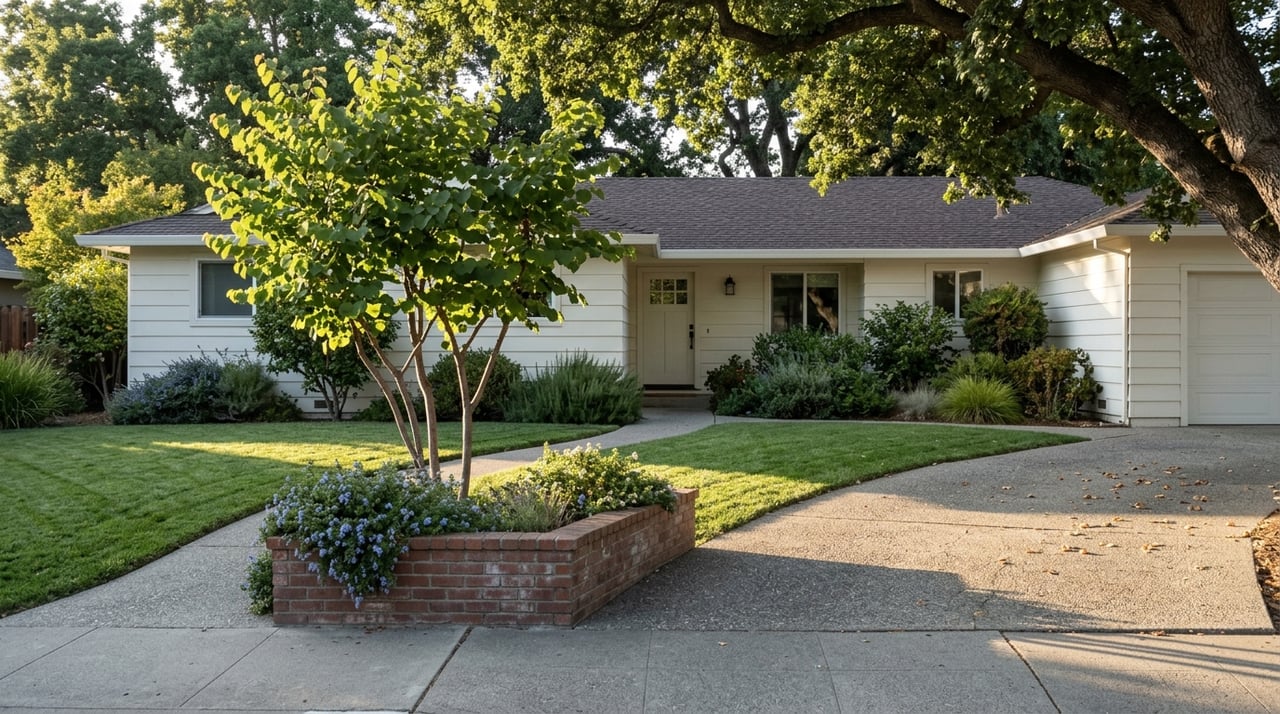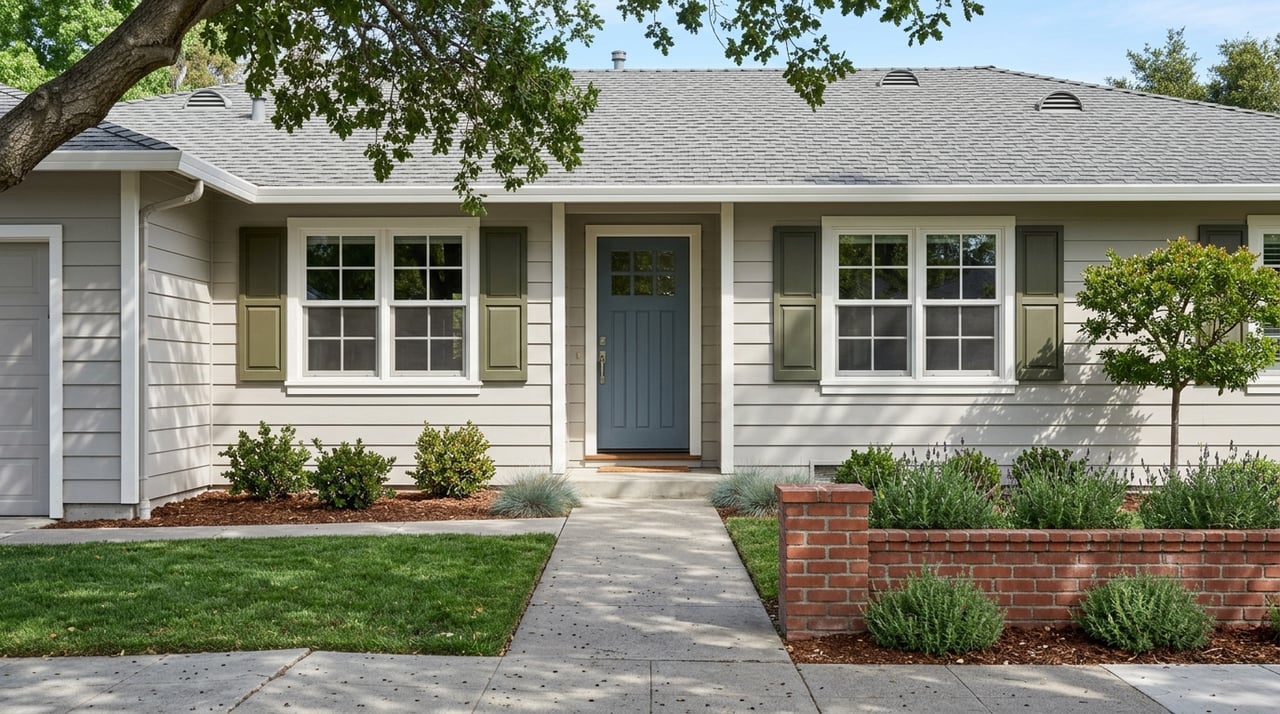
Selling in LaMorinda can move fast, but it rarely feels simple when you are the one living through it. You may be wondering how long prep will take, when your home should hit the market, and what happens after you accept an offer. In a market like Lafayette, Moraga, and Orinda, timing matters at every step. This guide walks you through the typical listing timeline from the first walkthrough to closing so you can plan with more confidence. Let’s dive in.
Why timeline matters in LaMorinda
LaMorinda is not the same as the broader Contra Costa County market. In February 2026, Contra Costa County had a median listing price of $758,888 and a median 30 days on market, while LaMorinda homes were priced much higher and moved more quickly. Lafayette’s market data showed a median sale price of $2.5 million with 18 median days on market, while Moraga and Orinda were also moving quickly.
That speed can be good news if you are selling. It also means your prep work needs to happen before launch, not after. In many LaMorinda listings, the first week or two on the market can shape the entire outcome.
First walkthrough and game plan
The first walkthrough is usually more than a quick look around. It is the meeting where you and your agent map out condition, likely improvements, staging needs, pricing strategy, and the disclosure process. This early planning helps you avoid rushed decisions later.
In California, sellers and agents are expected to provide the disclosures needed to avoid fraud, misrepresentation, or deceit, according to the California Department of Real Estate. That makes the walkthrough an important checkpoint for identifying anything that may need to be repaired, disclosed, or documented before the home goes live.
What usually happens at the walkthrough
- Review the home’s current condition
- Identify small repairs or cosmetic updates
- Discuss possible staging needs
- Talk through pricing strategy
- Flag likely disclosure items
- Build a launch timeline
For many sellers, this is also when a market-prep strategy takes shape. A focused plan can help you spend where it matters and avoid over-improving.
Prep, repairs, and staging
Once the plan is set, the next phase is getting the home ready for market. This often includes decluttering, deep cleaning, touch-up work, curb appeal improvements, and organizing documents for anything that will stay with the property. The National Association of Realtors consumer guide also recommends locating warranties and manuals before closing so they do not create last-minute stress.
Staging can also play a meaningful role in how buyers respond. NAR defines staging as cleaning and temporarily furnishing a home so buyers can better picture themselves living there. In a competitive market like Lafayette, Moraga, or Orinda, that visual clarity can support stronger early interest.
Is a pre-sale inspection required?
No. A pre-sale inspection is optional, not required. According to NAR, it can still be helpful because it may uncover issues you want to repair or disclose before listing.
Common prep items
- Decluttering and depersonalizing
- Cleaning inside and out
- Minor repairs
- Paint touch-ups
- Landscaping refresh
- Gathering manuals and warranties
- Scheduling staging, if needed
Photography and listing media
Your listing photos and video should come after the prep work, not before. Once the home is clean, staged, and camera-ready, your media can show the property at its best from day one. This is especially important in a digital-first market where many buyers decide whether to visit a home based on the online presentation.
NAR’s 2025 staging survey found that 83% of buyers’ agents said staging made it easier for buyers to visualize a property as a future home. The same report found that photos were rated important by 73% of buyers’ agents and 88% of sellers’ agents, based on the 2025 Profile of Home Staging. For sellers, that supports a simple takeaway: strong listing media is part of the strategy, not an extra.
Launch and first weekend
Once your home is live, the pace can pick up quickly. In Lafayette, market conditions suggest the first 1 to 2 weeks after launch matter most. Redfin’s Lafayette housing market data reported that homes averaged about 3% above list price, with hot homes going pending in around 7 days and many listings receiving multiple offers.
Moraga and Orinda were also competitive, with homes commonly selling above list price. That does not mean every listing will move at the same speed, but it does show why thoughtful pricing, preparation, and presentation matter so much in LaMorinda.
What to expect during launch
- Your home goes active on the market
- Showings begin
- Buyer interest builds during the first several days
- Open houses or private tours may happen that first weekend
- Offers may arrive quickly in a strong launch
This is often the most visible part of the process, but it works best when the earlier steps have been handled carefully.
Offer review and negotiation
In LaMorinda, multiple offers are common enough that sellers should be ready for a review period. Instead of reacting to the first number you see, it helps to compare the full terms of each offer. Price matters, but so do contingencies, financing strength, and the proposed closing timeline.
Redfin describes Lafayette, Moraga, and Orinda as very competitive or most competitive markets, with many homes receiving multiple offers and some contingencies waived. In practical terms, that means your decision may involve balancing speed, certainty, and net proceeds.
What sellers usually compare
- Offer price
- Down payment and financing strength
- Requested contingencies
- Closing timeline
- Repair requests or credits
- Overall likelihood of closing smoothly
The best offer is not always the highest one on paper. A cleaner offer with stronger terms can sometimes create a more reliable path to closing.
Escrow begins after acceptance
Once you and the buyer agree on terms, escrow opens. According to the California Department of Real Estate, escrow usually begins after the buyer and seller agree to the sale terms and closes when the transaction is complete. In Northern California, escrow is commonly handled by a title company or an independent escrow company.
This stage is less visible than launch weekend, but it is where many of the required steps happen. Even when your home sells quickly, the deal still has to move through disclosures, title work, buyer funds or loan review, and final signing.
Disclosures can affect the timeline
California disclosure rules are an important part of the seller timeline. The Real Estate Transfer Disclosure Statement, or TDS, must be provided as soon as practicable and before transfer of title, according to the DRE disclosure guide. If it is delivered after the contract is signed, the buyer may have a limited right to terminate within 3 days of in-person delivery or 5 days after mailed delivery.
The TDS is a disclosure of condition, not a warranty. Other disclosure items can be parcel-specific and may include natural hazard information such as flood zones, dam inundation areas, very high fire hazard severity zones, wildland fire areas, earthquake fault zones, and seismic hazard zones.
For homes built before 1978, federal lead-based paint rules may apply, including a 10-day inspection opportunity unless changed or waived in writing. Sellers of single-family homes must also provide a smoke detector compliance statement, and pest reports may be required by the contract or lender.
Why this matters locally
In LaMorinda, these issues should be treated as possible listing-specific items, not assumptions about every property. Parcel details, home age, and contract terms all influence what is needed. When disclosures are incomplete or delayed, the transaction timeline can stretch.
Loan, title, and closing steps
If the buyer is using financing, the lender’s timeline becomes part of your closing schedule. The Consumer Financial Protection Bureau states that the Closing Disclosure must be delivered at least 3 business days before closing. The CFPB also notes that closing can take several weeks as signatures and final approvals are completed.
Rate locks are often set for 30, 45, or 60 days, which can shape the practical closing window. During this period, title work is completed, escrow tracks documents and funds, and both sides work toward signing.
Common causes of delay
- Repair negotiations
- Financing issues
- Title questions
- Incomplete disclosures
- Lender or document timing
Even in a fast market, these are the steps that keep the sale from being instant.
Final walk-through to sold
Near the end of escrow, the buyer usually completes a final walk-through. This is their chance to confirm the property is in the expected condition before closing. Once title is issued and escrow closes, the deed is typically recorded at the county recorder’s office within 1 to 3 days, according to the California Department of Real Estate.
For most sellers, this is the moment the home feels truly sold. You have moved from planning and prep to signed documents, closed escrow, and recorded transfer.
A realistic LaMorinda timeline
Every sale is different, but a practical planning range looks like this in LaMorinda:
| Stage | Typical planning range |
|---|---|
| First walkthrough and strategy | Early planning meeting |
| Prep, repairs, and staging | Short prep period depending on scope |
| Photography and media | After prep is complete |
| Launch to accepted offer | Often fast in a strong Lafayette-style market |
| Escrow to closing | Several weeks |
The key is to think in phases rather than fixed promises. In a competitive LaMorinda market, launch-to-offer can happen quickly, but escrow still needs time to do its job.
If you are thinking about selling in Lafayette, Moraga, or Orinda, the best first step is a clear plan built around your home, your timing, and your priorities. Amanda Lesser can help you map out a smart market-prep strategy, polished launch, and realistic path from walkthrough to sold.
FAQs
How long does it usually take to sell a home in LaMorinda?
- A reasonable local estimate is a short prep period, a fast launch-to-offer window in a competitive market, and then several weeks of escrow before closing.
Is a pre-sale inspection required before listing a LaMorinda home?
- No. A pre-sale inspection is optional, but it can help identify issues you may want to repair or disclose before your home hits the market.
Why do disclosures matter in a California home sale?
- Disclosures can affect buyer decision-making and timing, and late delivery of some disclosures may give the buyer a limited right to cancel.
What usually slows down a LaMorinda home sale after an offer is accepted?
- Common slowdowns include repair negotiations, financing issues, title questions, and incomplete disclosures.
Why should listing photos and staging happen before launch?
- Strong presentation helps buyers understand the home right away, and NAR survey data shows staging and photos are important parts of effective marketing.