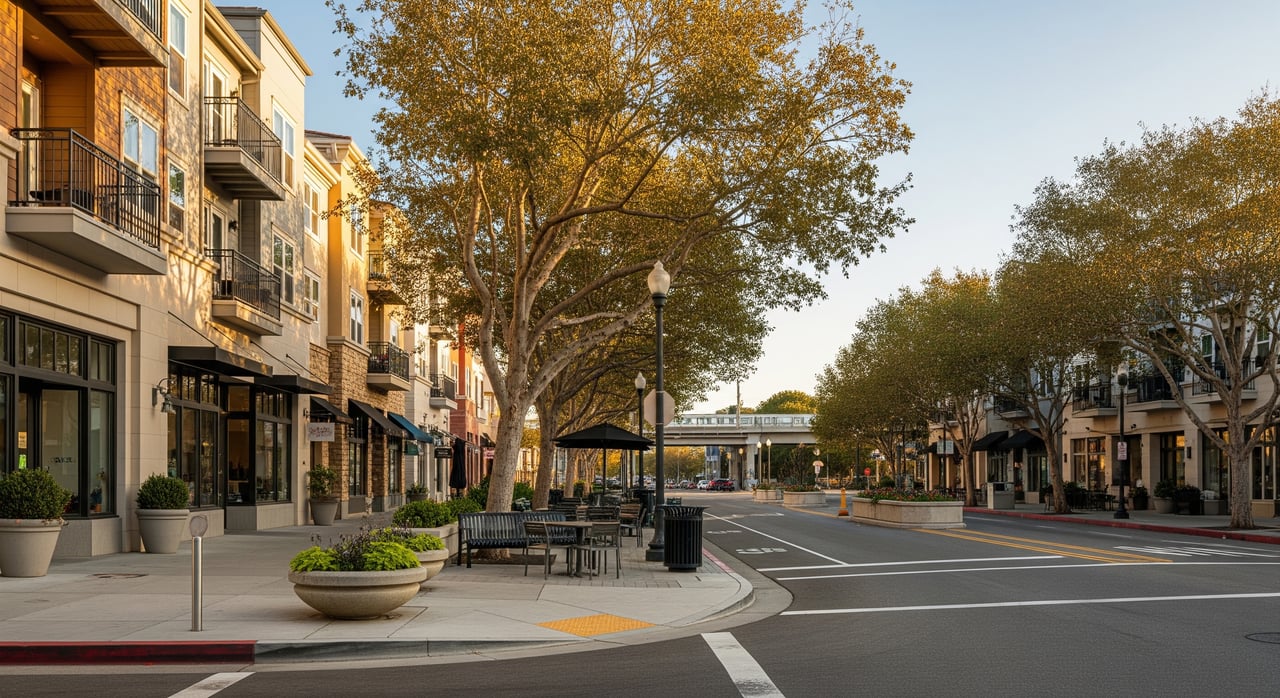
If your perfect day includes grabbing coffee, running errands, and hopping on BART all on foot, Walnut Creek should be on your shortlist. You might be commuting a few days a week, downsizing to simplify life, or just dreaming about a lifestyle with less driving. In this guide, you will learn which areas are most walkable to downtown and BART, what housing types you will find, and how to weigh tradeoffs like parking and HOA fees. Let’s dive in.
Why downtown and BART work together
Walnut Creek’s walkable heart centers on downtown and the Walnut Creek BART station. You can shop and dine around Broadway Plaza, catch a show, and stroll Civic Park within the same compact area. For a feel of the scene and a current list of businesses and events, browse the Walnut Creek Downtown business district.
For regional trips, the Walnut Creek BART station puts San Francisco and East Bay job centers within a train ride. Check the latest timetables and real‑time service on the official BART schedules.
If you prefer two wheels to four, the Iron Horse Regional Trail gives you an off‑street bike and walking spine that connects neighborhoods to downtown and beyond. It is a popular way to reach BART without mixing with heavy traffic.
Nearby healthcare is a plus if you value easy access. John Muir Health’s Walnut Creek campus serves the area; learn more on the John Muir Health Walnut Creek Medical Center page.
Walkable areas by distance
Walkability in Walnut Creek varies block by block. Use walking minutes to BART or downtown as your reference, not just neighborhood names.
Downtown core, within 0–0.5 mile of BART
- Character: Lively streets, cafes and restaurants, Broadway/Main retail, cultural venues, and public plazas.
- Housing: Condos, lofts, townhomes, and newer infill buildings with HOA management.
- Best for: Commuters and anyone who wants to walk to dinner, errands, and the train most days.
- What to expect: The most car‑free lifestyle, plus tradeoffs like busier nights and structured or assigned parking rather than large private garages.
Near‑downtown streets, within ~0.5–1.5 miles
- Character: Quieter residential blocks north and east of downtown and near Heather Farm Park, often with short bike rides or brisk walks to shops and BART.
- Housing: Small single‑family homes, duplexes, garden‑style condos, and townhomes.
- Best for: Buyers who want a yard or extra space while still biking or walking for many trips.
- What to expect: More space than the core and a bit more travel time. Many routes connect to the Iron Horse Trail for a comfortable ride into downtown.
Transit‑oriented and mixed‑use complexes
- Character: Higher‑density communities near the transit node. Some include ground‑floor retail and structured parking.
- Housing: Primarily condominiums and townhomes with HOAs and on‑site amenities.
- Best for: People who prioritize commute time, ease of maintenance, and predictable monthly costs.
- What to expect: Efficient layouts, professionally managed buildings, and quick access to trains and shopping.
Rossmoor and active‑adult living nearby
- Character: A large, age‑restricted community with internal amenities and social programs within a short drive of downtown.
- Housing: Condos and cooperative units designed for older adults.
- Best for: Downsizers who want low‑maintenance living with access to shopping, medical services, and cultural offerings.
- What to expect: Community services on site and simple trips into downtown for dining and errands.
Getting around without the car
BART for regional trips
Walnut Creek BART is the main rapid transit option. Many residents ride to downtown San Francisco and East Bay job centers. Trains are busiest during weekday peaks, so plan your door‑to‑door time during those hours. Review current timetables on the official BART schedules.
County Connection buses
Local buses link neighborhoods, shopping, and BART if you prefer not to drive. Explore maps and timetables on County Connection’s routes page.
Iron Horse Trail for bikes and walks
The Iron Horse Regional Trail offers a comfortable, off‑street route that many riders use for short commutes. On‑street bike comfort varies by corridor and rider experience, so test your preferred path during your typical travel time.
Parking and nightlife tradeoffs
Living close to downtown usually means assigned or structured parking, and sometimes a single space per condo. Street parking in the core can be metered or time‑limited. The flip side is convenience: groceries, banking, coffee, and entertainment on foot. Expect a livelier atmosphere at night, especially on weekends.
What you will find on the market
Condos and townhomes near the core
Condos dominate within a short walk of BART. They appeal to commuters and downsizers who value a low‑maintenance lifestyle. HOA fees typically cover exterior maintenance, shared spaces, and sometimes amenities. Compare HOA costs to the upkeep you would handle in a standalone home.
Smaller single‑family homes within a bikeable range
Just outside the core, you will see single‑family homes on calmer streets. These properties add indoor and outdoor space while keeping you within a short ride of downtown and BART. Proximity depends on the exact block, so confirm walking and biking times from the property, not just the general area.
Transit‑oriented infill
Infill projects near the station offer modern construction and efficient layouts with immediate access to trains and shopping. These homes often trade bigger yards for shared amenities and predictable upkeep.
Who walkable Walnut Creek fits
- Commuter professionals: You can shorten your daily trip and still enjoy dining and cultural options near home.
- Downsizers and empty nesters: You can keep day‑to‑day errands, healthcare, and entertainment close with minimal home maintenance.
- Early‑stage browsers: You can explore options at different sizes and price points, from compact condos to modest single‑family homes, each with its own upkeep profile.
How to choose your best walkable fit
Use this simple process to compare options:
- Map your daily patterns. List your weekday commute, groceries, banking, gym, and favorite cafes. Note which you want within a 5, 10, or 15 minute walk.
- Test the trip. Walk or bike the route to BART at your typical commute time. Ride the train once to confirm door‑to‑door timing using the BART schedules.
- Check transit backups. Review County Connection routes to see if a nearby bus gives you a rain‑day option.
- Evaluate the street feel. Look for continuous sidewalks, safe crosswalks, traffic speeds, and lighting along your preferred route.
- Compare parking and storage. Confirm assigned spaces, guest parking, and storage for bikes or strollers. Check building or city rules for street parking limits.
- Run the budget both ways. For condos, include HOA fees and what they cover. For single‑family homes, pencil in exterior maintenance and landscaping.
- Visit at night and on weekends. Make sure the evening activity level matches your preference.
Walkability and long‑term value
Research often finds a positive relationship between walkability and demand. Studies that use measures like Walk Score tend to show that homes in walkable areas can command price premiums, though the magnitude varies by region and housing type. For overviews, see the Walk Score research library and the National Association of Realtors’ research and statistics.
In Walnut Creek, proximity to a strong downtown and a regional transit line is a durable advantage for many buyers. Condos near BART may follow a different pricing and appreciation path than single‑family homes nearby, and trends like remote work can shift how commuters value the train. The big picture stays consistent. Walkability is one of several amenities that can support steady demand over time. Weigh it alongside HOA costs, parking, and your lifestyle needs.
Quick checklist for touring homes
- Walking time to BART and your most frequent errands.
- Iron Horse Trail access and your preferred bike route.
- Sidewalks, crosswalks, lighting, and traffic speeds along your path.
- Parking details: assigned spaces, guest parking, and bike storage.
- HOA coverage and rules, including pet policies and short‑term rental restrictions.
- Noise level day and night, plus weekend activity.
- Transit backups: nearby bus stops and schedules.
- Distance to healthcare, especially John Muir Health.
Ready to explore walkable living in Walnut Creek and find the right fit for your budget and lifestyle? Reach out to Amanda Lesser for local guidance and a plan that matches your daily routine.
FAQs
How close is Walnut Creek BART to downtown?
- Walnut Creek BART sits in the downtown core with shopping and dining a short walk from the station; use the station page to plan your route.
Can I bike to BART from nearby neighborhoods?
- Yes. Many riders use the Iron Horse Regional Trail and connecting streets for 1–2 mile trips, then park or roll bikes onto permitted trains.
Is living near BART noisy or busy at night?
- The immediate core sees more evening activity and traffic; visit at different times to confirm it matches your comfort level.
Are there options for downsizers within walking distance of downtown?
- Yes. You will find condos near the core and age‑restricted options nearby, with easy access to shopping and services like John Muir Health.
Does being near downtown or BART help resale value?
- Proximity often supports demand in many markets; compare recent local sales and days on market for close‑in homes to understand pricing dynamics where you want to buy.