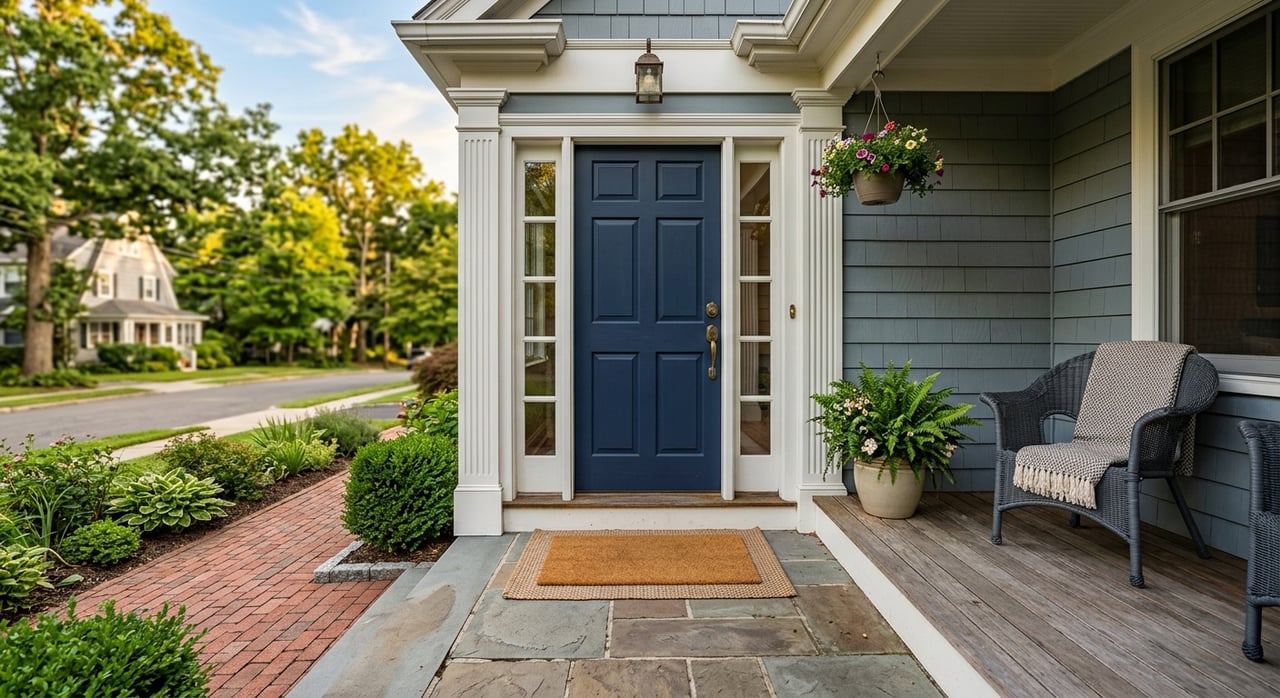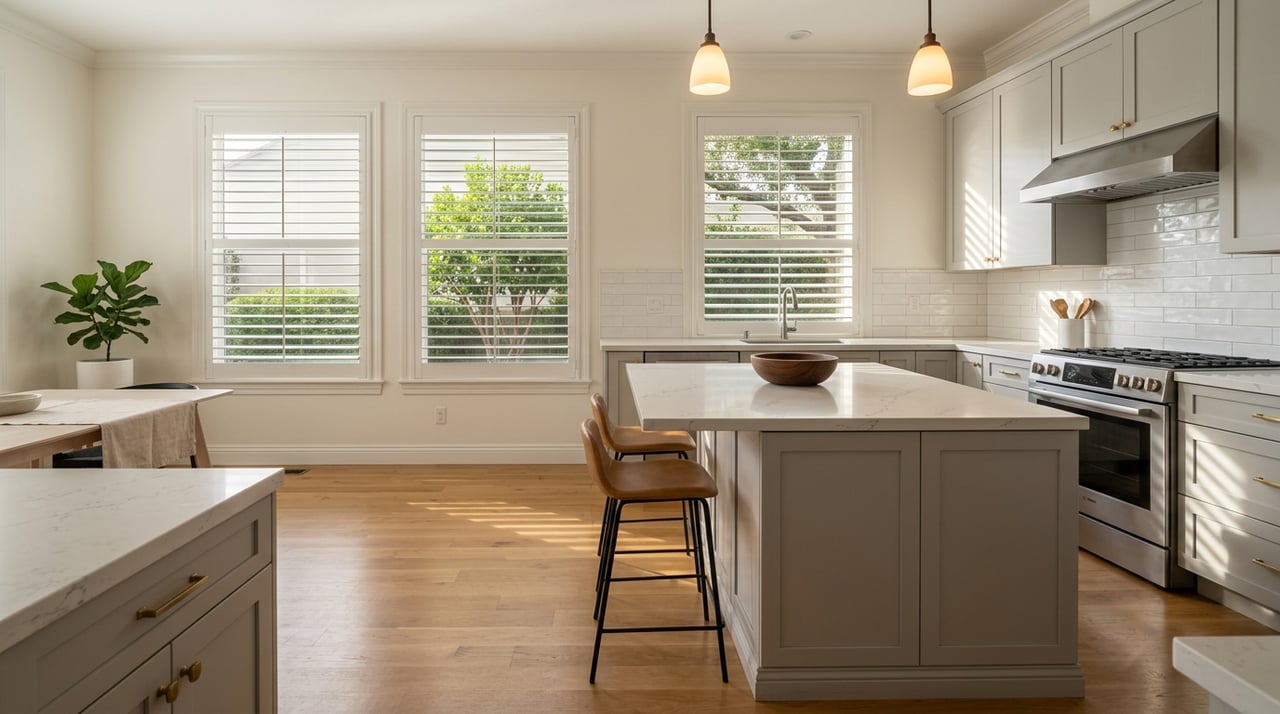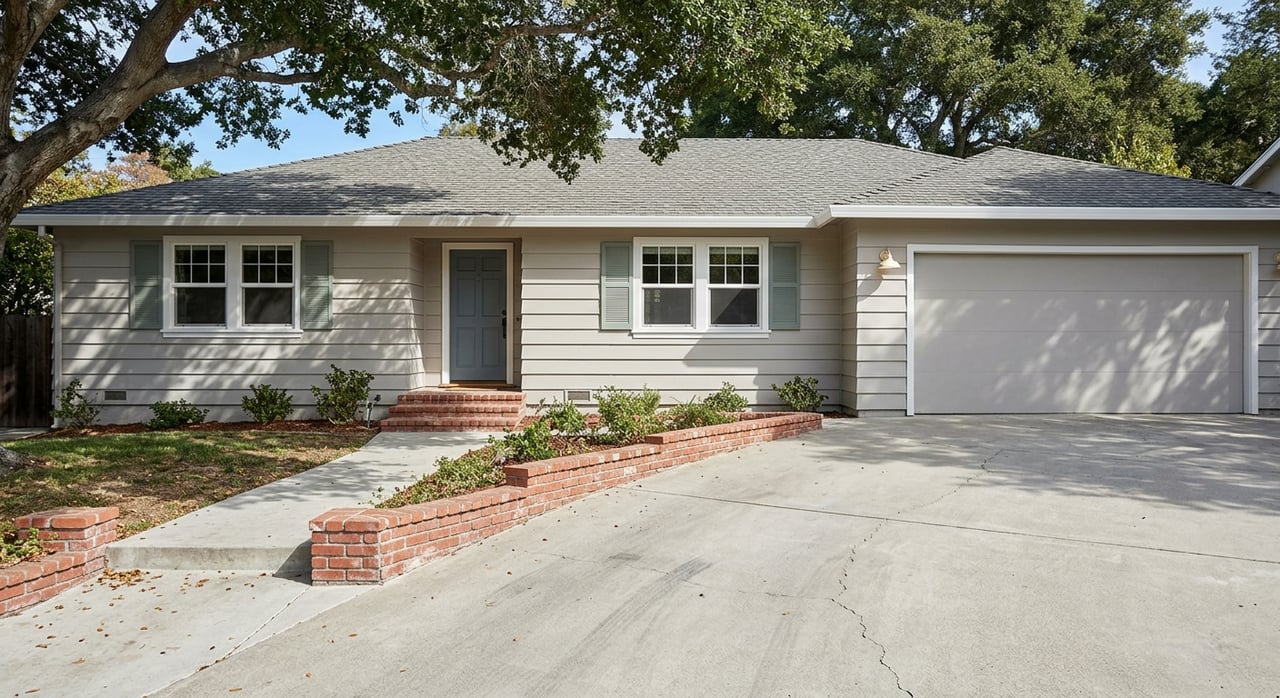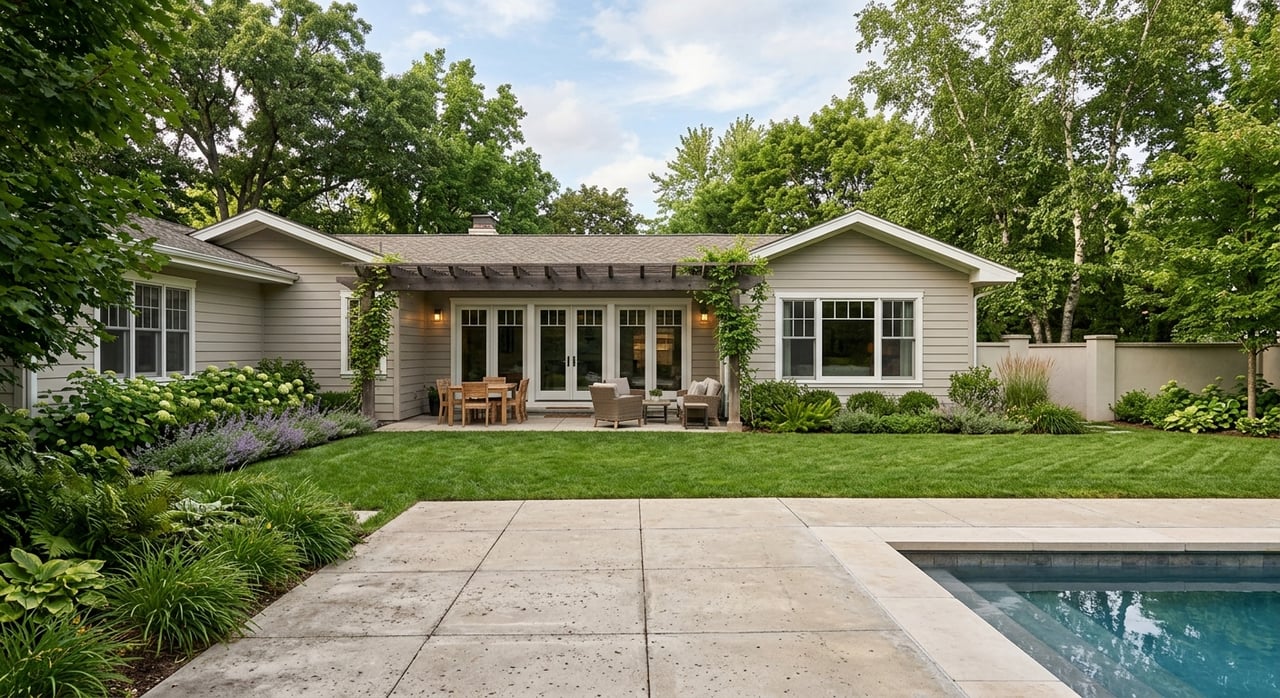
Thinking about buying a large-lot home in Alamo? It is easy to focus on the acreage number, but the real story is how that land lives day to day. If you want more privacy, more outdoor space, or room to grow into a property over time, it helps to understand how Alamo’s setting, parcel layouts, and county rules can shape your decision. Let’s dive in.
Why large-lot homes stand out in Alamo
Alamo is an unincorporated community in Contra Costa County known for wooded hillsides and a housing pattern that includes mostly single-family ranch-style homes on relatively large lots. County planning documents also describe estates on larger rural tracts, with some multi-family housing along Danville Boulevard south of Stone Valley Road. That mix helps explain why large-lot living is such a defining part of the local market.
Alamo also has deep rural roots. County materials note that the area began as ranches and orchards, stayed rural for many years, and changed as freeway access improved after World War II. Even now, planning priorities include preserving mature trees and reducing wildfire risk, which matters when you are evaluating a bigger piece of land.
What “large lot” can mean here
In Alamo, a large lot does not always look the same from one property to the next. Marketplace examples show everything from half-acre homes on private lanes to 1-acre and 1.23-acre properties with terraces, hillside views, garden space, and estate-style features. You may also see a range of home styles, including ranch, Mediterranean, and Tudor influences.
That variety means you should look beyond the raw lot size in the listing. A flat, usable half-acre may fit your goals better than a steeper acre with limited functional outdoor space. The best property for you depends on how you plan to use the land.
Lot size versus usable space
Usable space matters more than the headline acreage. On a larger parcel, slope, access, tree placement, and layout can all affect how much of the lot feels practical for everyday living.
For example, one property may offer broad lawns, garden beds, and easy entertaining areas, while another may deliver views and privacy but less level ground. If outdoor living is a priority, ask yourself how much of the lot you can actually enjoy without major changes.
Privacy versus convenience
Alamo’s commercial core and main travel routes cluster around Danville Boulevard, Stone Valley Road, and I-680. Based on the county’s layout, parcels closer to that core may offer easier daily convenience, while more outlying properties may feel more secluded and estate-like.
That is not a hard rule, but it is a helpful way to frame your search. If your top goal is quiet and separation, you may prefer a parcel farther from the central corridors. If you want easier access for commuting and errands, you may decide to trade a little seclusion for location.
How to evaluate outdoor living potential
One of the biggest reasons buyers pursue a large-lot home in Alamo is the chance to enjoy more of life outdoors. Bigger parcels can create room for patios, gardens, terraces, and private gathering areas. But the best outdoor setup comes from thoughtful site design, not just more land.
Current local examples highlight this clearly. Some homes emphasize terraces and raised garden beds, while others focus on broad hillside views or private-lane settings. As you tour homes, pay attention to how the house, driveway, landscaping, and open areas work together.
Look at layout, not just acreage
A parcel can feel private without being the biggest one on the market. Tree cover, setbacks, driveway placement, and neighboring sightlines often shape privacy just as much as the lot size itself.
In the same way, a larger property is not always easier to enjoy. If the most appealing outdoor spaces are far from the house, split by slope, or difficult to maintain, the land may not deliver the lifestyle you picture.
Nearby open space adds value to daily life
Large-lot living in Alamo is also supported by nearby parks and trail access. The East Bay Regional Park District says the Las Trampas to Mt. Diablo Regional Trail connects Las Trampas Regional Wilderness to Mount Diablo State Park, with access points in Alamo including Hap Magee Ranch Park and Oak Hill Park.
Contra Costa County also lists local park assets such as Hap Magee Ranch Park and Hemme Station Park. For many buyers, that means your lifestyle is not limited to your own lot. You can enjoy both private outdoor space at home and access to public open space nearby.
Key pre-offer checks for large parcels
Buying a large-lot property often calls for more homework before you write an offer. In Alamo, that is especially true because it is an unincorporated county community, where buyers may need to work directly with county departments for planning, permit, code enforcement, and public works questions.
County parcel tools can also help confirm lot size and building square footage. That information matters if you are comparing similar homes, planning future improvements, or trying to understand the true footprint of the property.
Confirm parcel lines and easements
On a large lot, what looks like part of the property may not always be fully usable in the way you expect. Parcel lines, easements, and utility corridors can affect where you build, landscape, or expand later.
Before you move forward, ask where the exact boundaries are and whether any access or utility easements cross the site. This is one of the smartest early checks you can make on a land-heavy purchase.
Check sewer versus septic
Wastewater service is another important item to verify. Central Contra Costa Sanitary District serves Alamo, and it notes that financing for septic-to-sewer conversion may apply to residential properties with septic systems that have an adjacent sewer main.
That makes sewer or septic status a key question, especially on older or more rural parcels. If a property has a septic system, ask what the path to future connection might look like and how that could affect your long-term plans.
Review slope, drainage, trees, and access
Site conditions can influence both livability and future project options. Drainage patterns, hillside slope, mature trees, and driveway access may all affect what you can change later or what maintenance may look like year after year.
This matters in Alamo because county planning priorities include preserving mature trees and addressing wildfire risk. A beautiful natural setting can be a real asset, but it also deserves careful review before you commit.
Understand maintenance and wildfire readiness
A larger lot usually means more upkeep. In Alamo, that can include landscape maintenance, tree care, and managing open areas near structures.
CAL FIRE and the Board of Forestry say owners in certain fire-hazard areas must maintain defensible space, including an ember-resistant first five feet around structures. CAL FIRE also directs homeowners to local fire agencies for local requirements, so it is wise to ask what work has already been completed and what ongoing maintenance may be expected.
UC Master Gardener guidance for Contra Costa County also emphasizes removing dead vegetation and using fire-safe landscaping practices. For buyers, this is not just a seasonal chore. It is part of understanding the ownership rhythm of a larger property in a wooded, hillside environment.
Ask what work has already been done
When reviewing a home, ask about fire-hardening steps and defensible-space improvements that are already in place. That can include vegetation management, landscape changes, and how the immediate area around structures has been maintained.
This gives you a clearer picture of both safety planning and future maintenance needs. It can also help you budget realistically for ownership.
Pricing and appraisal realities in Alamo
Alamo sits firmly in the high-price segment. Zillow’s home value index places the average Alamo home value at about $2.56 million, while Redfin reports a median sale price around $2.7 million for the three months ending May 2026.
Land-heavy inventory also appears limited. Redfin’s land page showed 7 active land listings in Alamo at a median listing price of $3.19 million, which suggests that parcels with significant land can price differently from a more standard suburban resale home.
Why appraisals matter more on unique properties
With large-lot homes, valuation is not always straightforward. Lenders and appraisers compare the property to similar sales in the same area and also consider features such as square footage, bedroom count, bathroom count, and year built.
That means acreage can add appeal, but the value still needs support from local comparable sales and the parcel’s actual usability. If a home is especially unique, the appraisal process can become a more important part of the transaction.
Think beyond the list price
A low appraisal can affect your next steps. If the valuation comes in below the contract price, buyers may need to renegotiate or review the appraisal closely.
For that reason, it helps to approach unique Alamo properties with a clear strategy. A responsive local team can help you weigh the lot, layout, home condition, and comparable sales together rather than focusing on just one feature.
A smart buying approach for large-lot homes
If you are serious about buying a large-lot home in Alamo, keep your search grounded in how you actually want to live. Start with the basics: privacy, convenience, outdoor use, maintenance tolerance, and future plans for the property.
Then match those goals against the realities of each parcel. In Alamo, the right property is often the one where the land, the house, and the setting all work together in a practical way.
Buying a property with more land can be exciting, but it also rewards careful review. If you want local guidance on how to compare parcel layouts, evaluate tradeoffs, and move forward with confidence in the East Bay, Amanda Lesser can help you navigate the process with clear, hands-on support.
FAQs
What should you check before buying a large-lot home in Alamo?
- You should confirm parcel lines, easements, utility corridors, sewer or septic status, and any slope, drainage, tree, or access issues that could affect future use.
How does lot size affect privacy in Alamo?
- Lot size can help, but privacy often depends just as much on tree cover, setbacks, driveway placement, parcel shape, and neighboring sightlines.
Are large-lot homes in Alamo more expensive than typical homes?
- Large-lot properties can price differently from standard suburban resale homes, and Alamo overall is already a high-price market with average home values around $2.56 million and a median sale price near $2.7 million in recent reporting.
Why does sewer or septic status matter for Alamo properties?
- Some older or more rural parcels may have septic systems, and buyers should verify whether sewer service is available or whether a future septic-to-sewer connection may be possible.
What wildfire-related questions should buyers ask about Alamo large-lot homes?
- You should ask what defensible-space work and fire-hardening steps have already been completed, and what ongoing vegetation management may be needed for the property.