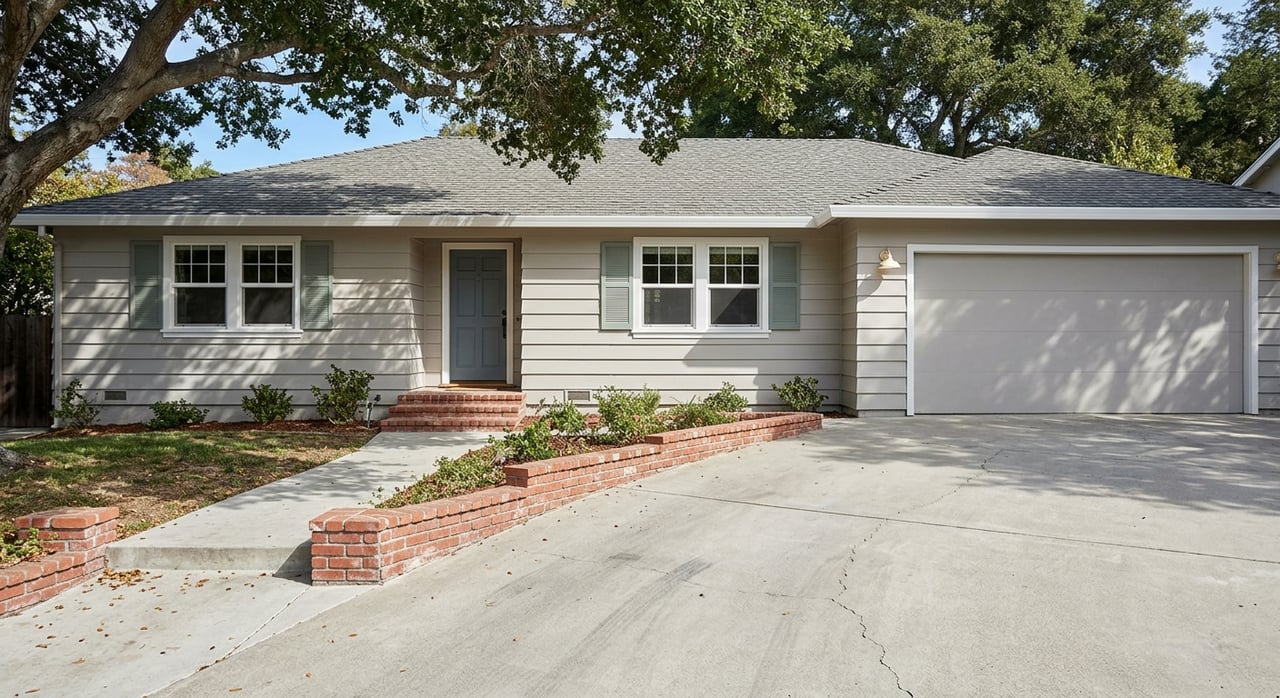
What makes one Orinda home feel easy and another feel complicated, even when they are only a few miles apart? In Orinda, your day-to-day experience often comes down to hillside terrain, road access, and how close you are to Highway 24, Moraga Way, Camino Pablo, or BART. If you are trying to narrow your search, understanding those neighborhood patterns can save you time and help you focus on the homes that truly fit your lifestyle. Let’s dive in.
Why Orinda feels so different block to block
Orinda is a semi-rural city in southwest Contra Costa County with a 12.8-square-mile, tree-studded hillside setting. That landscape shapes more than the view. It affects slopes, street layout, driveway design, and how quickly you can get to daily services or transit.
The city also has a split between its more compact downtown areas and its hill neighborhoods. Planning documents describe downtown as having a village character, while areas around Orinda Village and Orinda Crossroads are better suited for higher-density residential uses because of gentler topography, better access, and existing utility service. In practical terms, that means your home search in Orinda is often about how a neighborhood functions, not just where it sits on a map.
Start with your daily routine
Before you compare home styles or lot sizes, think about how you want your week to work. In Orinda, a shorter route to BART, easier roads, or less hillside complexity can matter just as much as square footage.
A good first step is to decide which of these factors matters most to you:
- Quick access to BART and Highway 24
- Easier errands and a more compact setting
- Flatter streets and simpler day-to-day access
- More privacy and separation between homes
- Newer development with a planned neighborhood feel
Orinda Station at 11 Camino Pablo is the city’s clearest rail anchor for many buyers. It sits on BART’s Antioch to SFIA/Millbrae line and is also served by County Connection, which makes proximity to the station an important filter for commuters.
Downtown Orinda offers the easiest access
If convenience is your top priority, downtown, Orinda Village, and Orinda Crossroads are usually the clearest fit. The city’s Downtown Precise Plan is meant to revitalize downtown and encourage more housing by increasing allowable residential density in the Downtown Commercial district and allowing multifamily residential development in the Downtown Office district.
That planning direction reinforces what many buyers already notice on the ground. This is Orinda’s most compact, service-oriented area, with gentler topography and the most straightforward link to transit and main roads.
Why downtown appeals to some buyers
For many buyers, downtown offers the least amount of hillside complexity. If you want a more direct path to errands, BART, and the main traffic corridors, this part of Orinda usually stands out first.
ConnectOrinda and earlier downtown streetscape planning also focused on improving travel through downtown while preserving its unique feel. That makes this area especially useful to consider if you want your home base to support a simpler daily routine.
Glorietta gives you a middle-ground option
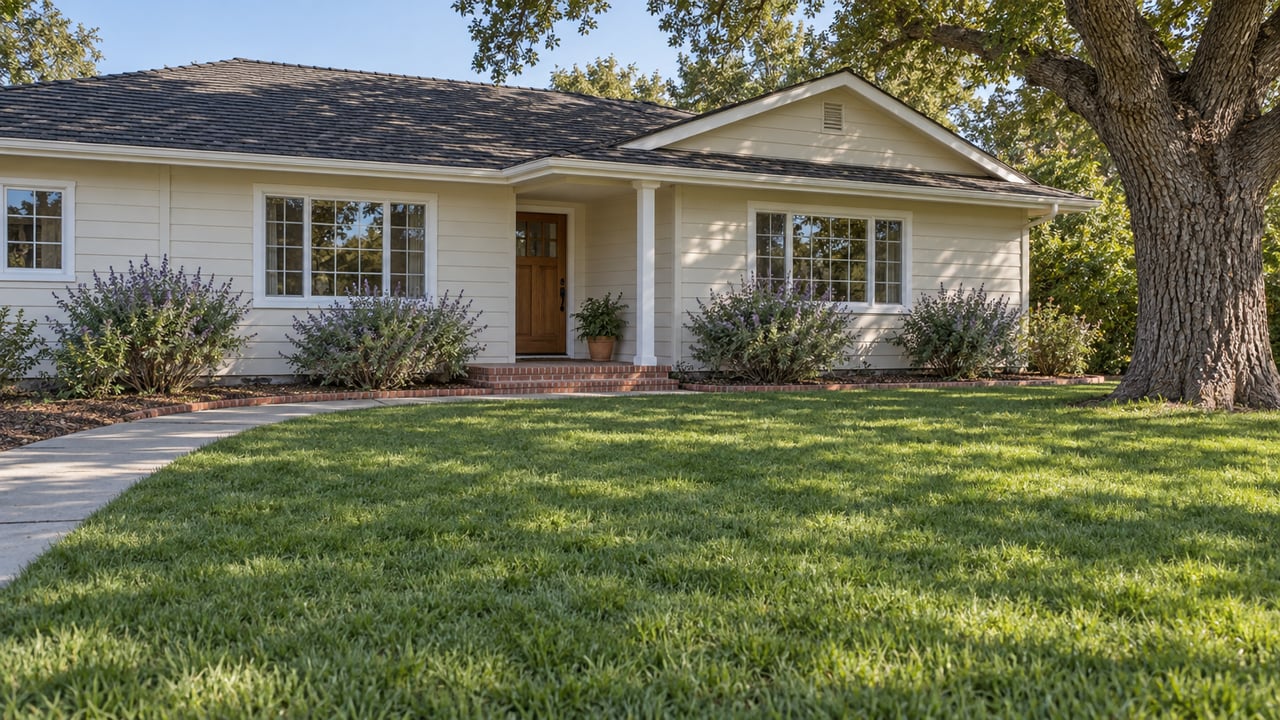
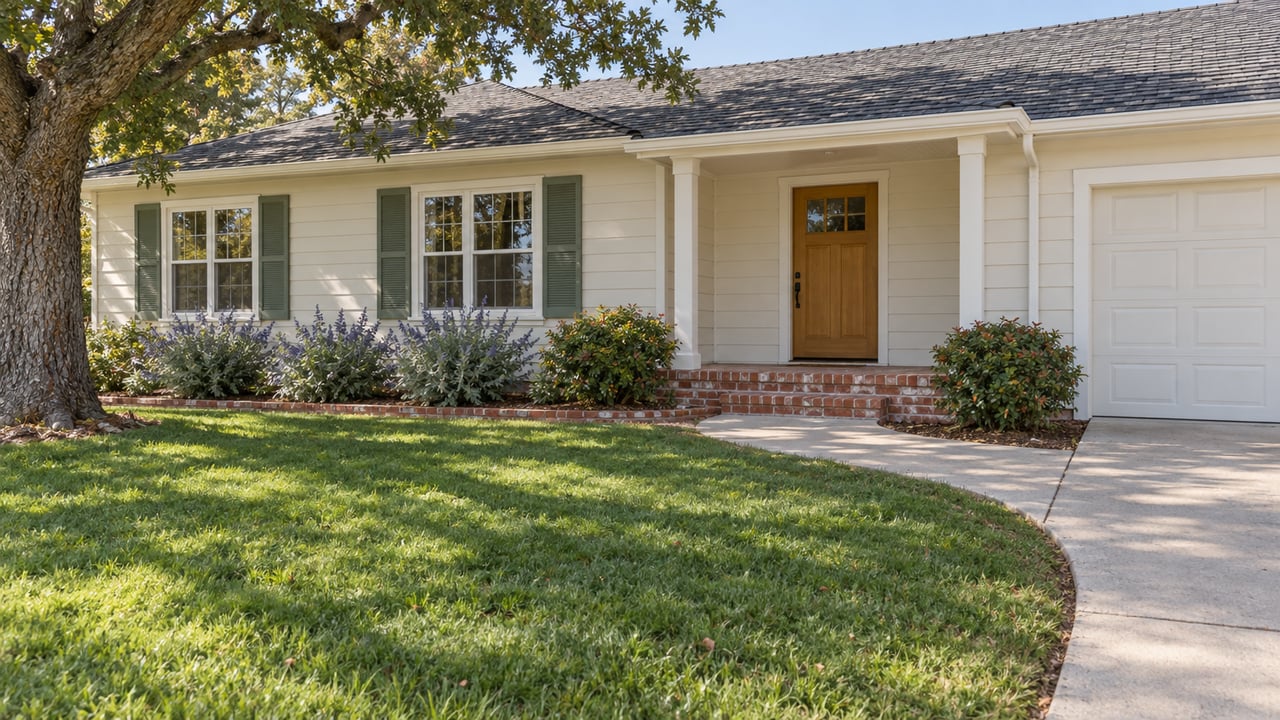
Glorietta often appeals to buyers who want something between downtown convenience and deeper hillside seclusion. Local neighborhood descriptions characterize much of Glorietta as relatively flat, with many homes developed in the 1950s and 1960s in a classic suburban ranch pattern.
That flatter layout can make a real difference in how a neighborhood feels from day to day. Compared with steeper hill areas, Glorietta may offer more predictable access and less driveway or grade complexity.
Lower and upper Glorietta can feel different
One useful detail is that lower and upper Glorietta should not be treated as identical. Local guides note that upper Glorietta becomes more custom and view-oriented, which can shift the feel of the area even within the same broader neighborhood name.
If you are considering Glorietta, it helps to look closely at the exact pocket rather than assuming the entire area will feel the same. That kind of street-by-street difference is common in Orinda.
Del Rey blends wooded setting with access
Del Rey sits in south Orinda and offers another middle-of-the-spectrum option. City information places Del Rey on a hill with access from Donna Maria Way via El Camino Moraga, while local guides describe the area as wooded, quiet, and made up largely of midcentury homes on narrow roads.
For some buyers, that combination works well. You may get more landscape, privacy, and a tucked-away feel than flatter central pockets, while still remaining connected to Moraga Way for in-town movement and to Highway 24 and BART for regional commuting.
Del Rey may suit buyers who want balance
If your ideal search includes a wooded setting but you still need a practical route for getting around, Del Rey is worth a closer look. It tends to sit between the easiest-access parts of Orinda and the more secluded hillside areas.
That balance can be appealing if you want character and privacy without going fully rural in feel.
Sleepy Hollow leans private and spacious
Sleepy Hollow represents a more secluded side of Orinda. Local guide sources describe it as a larger-lot, privacy-oriented neighborhood where the usable layout of the land matters as much as the lot size itself.
That point is important in Orinda. A large parcel may not always function the way you expect if slope, access, or outdoor usability are major factors.
Expect a convenience tradeoff
Sources also note that Sleepy Hollow is not as quick for BART or Highway 24 routines as more access-friendly parts of Orinda. If you are drawn to more separation between homes and a stronger hillside feel, that tradeoff may be worth it.
This area often makes the most sense for buyers who place a higher value on privacy, outdoor space, and a more removed setting than on commute efficiency.
El Toyonal and Loma Vista feel more rural
El Toyonal and Loma Vista sit on the more rural-feeling end of the Orinda spectrum. The city’s housing element states that El Toyonal in the western Orinda Hills is under a septic tank moratorium, is accessed by steep and winding roads, and is not considered a viable location for additional density.
That tells you a lot about how this area functions before you even step inside a home. Access, infrastructure, and road conditions are central parts of the buying decision here.
What to watch in the western hills
In these hill areas, practical details matter. Driveway grade, road maintenance, and how self-contained a property feels can affect your experience just as much as interior finishes.
The city’s Homeowner Guide also notes that Orinda has about 30 miles of privately maintained roads and about 93 miles of city-maintained public road. That is a useful reminder to check whether a home sits on a private road and to understand what that may mean for maintenance and access.
Wilder offers a planned neighborhood setting
Wilder is different from many of Orinda’s older neighborhoods because it was built as a large planned development. The city says the subdivision spans more than 1,500 acres, with 245 home sites clustered within 200 acres and surrounded by over 1,300 acres of open space, trails, and community amenities.
It also sits at Highway 24 and Wilder Road, which gives it a distinct location profile. Compared with Orinda’s more organically developed hillside streets, Wilder tends to feel more structured and self-contained.
Why some buyers focus on Wilder
If you are looking for newer housing patterns and a more intentionally planned environment, Wilder may rise to the top of your list. It offers a different kind of Orinda experience than the older ranch-era or hill-road neighborhoods.
For some buyers, that neighborhood structure is a major plus. For others, the appeal of Orinda is found more in its older, varied pockets. The right fit depends on how you want your home search to translate into daily life.
A simple way to compare Orinda neighborhoods
If you are trying to sort your options, this quick framework can help:
- Downtown / Orinda Village / Crossroads: Best if you want the shortest run to services, transit, and a more compact street pattern.
- Glorietta: Best if you want flatter streets and a ranch-era neighborhood feel with relatively predictable access.
- Del Rey: Best if you want wooded surroundings and midcentury character while staying tied to key commuting routes.
- Sleepy Hollow or western hills: Best if privacy, larger lots, and a more rural setting matter more than quick commute routes.
- Wilder: Best if you prefer newer construction patterns and a master-planned setting.
Let the neighborhood narrow the home list
In Orinda, the neighborhood often tells you as much as the house itself. The slope of the lot, the type of road, and the path to downtown or BART can shape your daily experience long after the kitchen finishes stop feeling new.
That is why a smart home search here starts with lifestyle fit first. Once you know whether you want convenience, flatter access, wooded privacy, or a more planned setting, the right homes tend to become much easier to spot.
If you want local guidance as you compare Orinda neighborhoods and narrow your search, Amanda Lesser can help you make sense of the options with clear, practical advice.
FAQs
What makes Orinda neighborhoods feel so different from each other?
- Orinda’s tree-studded hillside terrain, street layout, and varying access to Highway 24, Moraga Way, Camino Pablo, and BART create major differences in how neighborhoods function day to day.
Which Orinda area is best for easier access to BART and errands?
- Downtown Orinda, Orinda Village, and Orinda Crossroads are generally the most convenience-oriented parts of the city, with gentler topography and more direct access to services and transit.
What should you know about Glorietta when searching for a home in Orinda?
- Glorietta is often known for flatter streets and many ranch-era homes, but lower and upper pockets can feel different, so it is worth evaluating the exact location carefully.
How does Del Rey compare with flatter Orinda neighborhoods?
- Del Rey offers a more wooded, hill-based setting with many midcentury homes and narrow roads, while still staying connected to Moraga Way, Highway 24, and BART routes.
What practical issues matter most in Orinda hill neighborhoods?
- In hill areas such as El Toyonal, Loma Vista, and other secluded pockets, buyers should pay close attention to driveway grade, road type, maintenance responsibility, and how easily the property connects to the rest of town.
Why do some buyers choose Wilder in Orinda?
- Wilder appeals to buyers who want a newer, master-planned neighborhood structure with open space, trails, and a more intentionally designed setting than many older parts of Orinda.